


16 Apr Apothecary Cabinets: History, Style and why we Love them.
Apothecary Cabinets: History, Style and why we Love them.
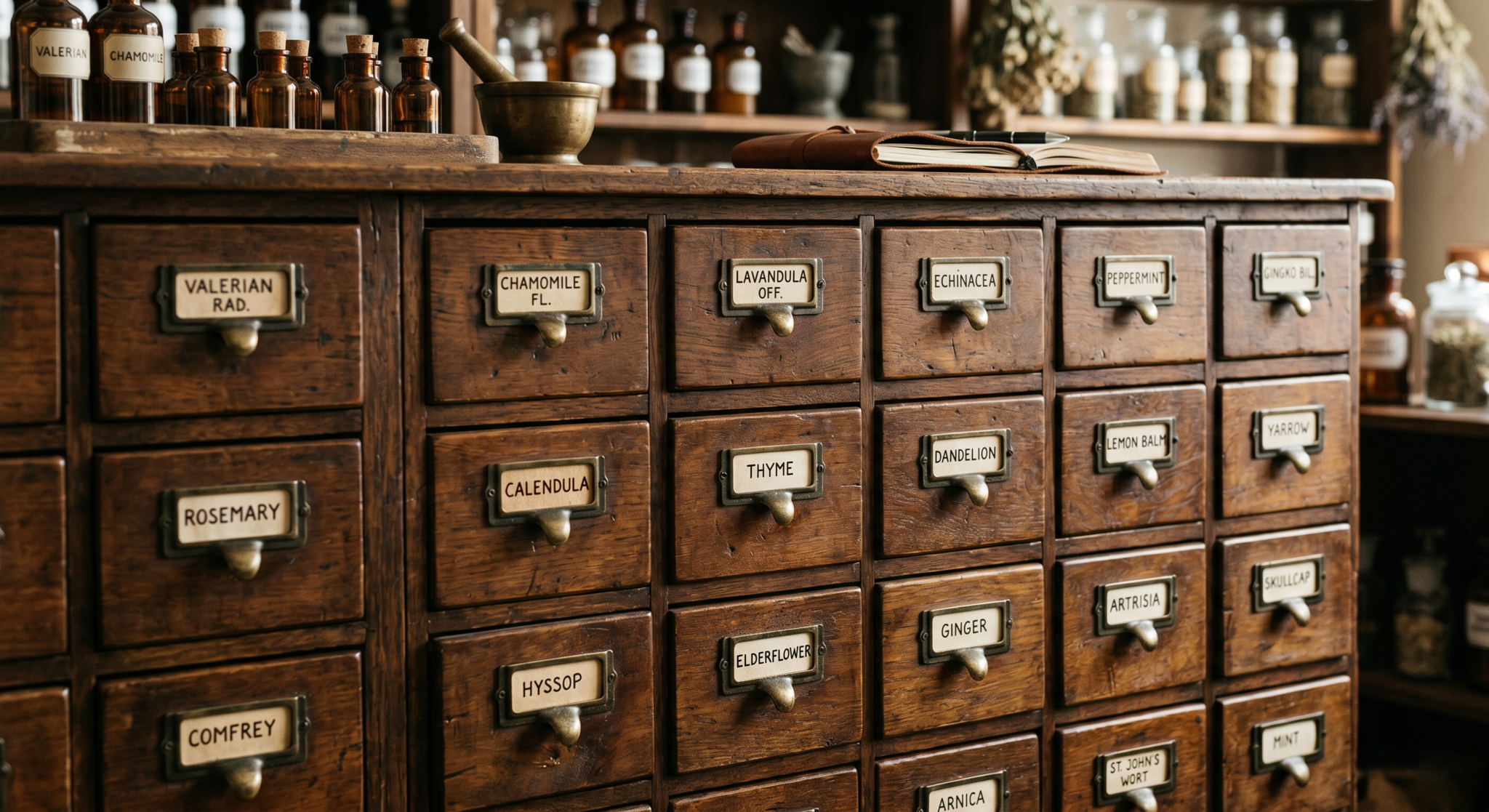
Few pieces of furniture carry as much history as the apothecary cabinet. Those banks of small drawers — worn handles, aged wood, each one once carefully labelled with a remedy or ingredient — have been part of daily life for centuries. And yet, placed in a modern interior, they feel completely at home. That combination of genuine provenance and enduring visual appeal is exactly why demand for these pieces has never been stronger.
Where They Came From
The origins date back to ancient Egypt where physicians stored plant-based remedies in small containers, and by the Middle Ages, apothecaries — the forerunners of modern pharmacists — were working from monasteries, cultivating medicinal herbs and preparing treatments for their communities. The multi-drawer cabinet emerged from practical necessity: a way to keep dozens of ingredients organised, labelled and quickly to hand.
The cabinets were typically built from hardwoods — oak, walnut, mahogany — chosen for durability. Each drawer was shallow and numerous, designed to hold small vials and containers, with every one carefully labelled, often in Latin. The craftsmanship was taken seriously. These weren’t purely functional objects — they were a statement of the apothecary’s expertise, and many were built to impress as much as to organise.
With the rise of mass-produced pharmaceuticals, the cabinets gradually left the pharmacy. And then, slowly, they found their way into homes — where their combination of craftsmanship, character and history and of course all those lovely drawers and you have a piece that can completely change a room.
Why They’re So Sought After Now
The market for apothecary cabinets has been building steadily. Auction results over the past decade tell the story clearly — well-preserved examples have consistently exceeded their estimates at the major salerooms, with labelled Regency pieces and Victorian multi-drawer chests regularly achieving multiples of their guide prices. These are not pieces that depreciate.
Interior design has shifted too. There’s been a broad move away from fitted cabinetry and monochrome interiors towards objects with genuine history and one-of-a-kind character. The apothecary cabinet sits squarely in that shift — a statement piece that also happens to be supremely functional.
The Aesthetic
An apothecary cabinet does something very few pieces of furniture manage — it works as both storage and sculpture. The grid of small drawers creates a strong visual rhythm across a wall. Original hardware, aged wood and hand-written or inlaid labels add warmth and texture that when placed in a room, draws the eye immediately.
Original vintage examples were often made from solid oak or mahogany, and that quality of material is evident the moment you open a drawer — the weight, the grain, the fit. These are objects built to last generations, and many have with a patina that only comes from years of use.
Where They Work
The versatility of the apothecary cabinet is a large part of its enduring appeal.
In a study or home office, a cabinet is both a practical storage solution and a focal point — perfect for organising everything from stationery and keepsakes to collections and documents. The multiple drawers encourage a satisfying kind of order that flat shelving simply can’t match.
In a living room or dining room, a larger cabinet functions as a statement sideboard or cabinet with considerable visual impact. The drawer fronts create texture and interest across a wall, holding their own alongside other vintage or mid-century pieces.
Commercially, the fit is just as natural. We recently supplied a full row of cabinets from our Cambrewood Apothecary Collection to a cigar and whiskey bar for behind the counter storage —the drawers not only served a purpose but added a luxuries eye catching display and vintage aesthetic. For hospitality, retail and display spaces, an apothecary cabinet makes for a strong visual display.
Antique and New: What We Stock
At Cambrewood, we source original antique apothecary cabinets alongside pieces from our own Cambrewood Collection, made from sustainable woods in vintage designs that work with with spirit of the originals, and although small batch made offer the visual appeal at a more readily available and to be quite honest, affordable price.
With antique examples, look for solid hardwood construction, original drawer pulls and smooth-running drawers. Minor wear and patina are part of the appeal — they tell the story of the piece. Be cautious of heavily refinished examples, which can strip away both character and value. Original inlaid or gilt labels on the drawer fronts are a mark of quality worth holding out for. At Cambrewood we restore many pieces and part of that restoration is to preserve as much history and patina as possible. Sanded all that lovely aged wood smooth is almost like wiping away history, so we have a strong work ethic of preservation.
Our Cambrewood Collection pieces bring the same multi-drawer aesthetic and considered craftsmanship to a sustainably sourced format — for those who want the visual impact and functionality without the variables that come with age and condition. We have stock coming and going all the time and out Apothercary cabinets are handmade, selected by us for quality and style.
Whether you’re furnishing a home, a study or a commercial space, an apothecary cabinet can really have an impact on the room, with vintage styling, practical storage and a statement piece that will always be a firm favourite at Cambrewood.
Browse our current apothecary cabinets — antique originals and Cambrewood Collection pieces — Click here